Build a clinical pattern
Use the subjective story, objective findings and context to decide what is relevant and what is noise.
12-week shoulder coaching
Level Up Your Shoulder Game is for physiotherapists who want a clearer way to assess, reason through and progress the shoulders they already see in practice.
No public price. No fixed cohort dates. Waitlist members hear first.Does this sound familiar?
You have read the papers, saved the posts and completed the courses.
Then a shoulder walks in that does not fit neatly. The tests conflict. The scan adds noise. The patient wants an answer. You have options, but no clear reason to choose one over another.
The program is built to strengthen that decision-making process, not give you another list to memorise.
What changes
The aim is not certainty in every case. It is better reasoning, better conversations and clearer progression.
Use the subjective story, objective findings and context to decide what is relevant and what is noise.
Choose assessments and objective measures because they change a decision, not because they are on a shoulder checklist.
Set useful rules for symptoms, loading, exercise progression and return to the things the patient needs to do.
Communicate uncertainty without losing authority, and involve the patient without handing them the whole decision.
How the program works
Each week combines structured online learning with live group coaching, giving you the chance to consolidate the topic and put it to work with your shoulder patients.
Use the structured online course content and weekly module worksheet to build your understanding of the topic.
Use the recommended readings and articles to explore the evidence and the areas that remain less certain.
Bring your questions to the weekly Zoom coaching session and work through the practical clinical application as a group.
Use the private Facebook group to continue the discussion in a safe, supportive learning environment.
What is involved
The program starts with shoulder fundamentals and objective testing, then works through the presentations you regularly see in clinic before finishing with athletic shoulders and return-to-sport testing.
What is included
Your coach
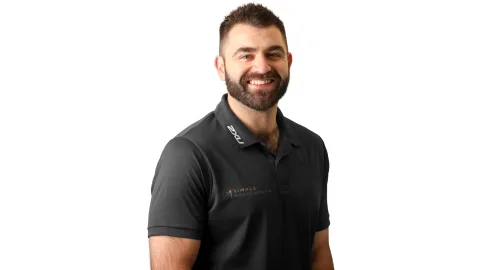
I will show you the evidence, the grey area and what I currently do with it.
My teaching comes from treating patients, working in sport, mentoring clinicians and teaching at Adelaide University. I have biases, like every clinician. I will tell you what they are, explain the logic and expect you to question it.
Clinician feedback
Feedback from physiotherapists who completed the 12-week shoulder coaching program.
“Since completing the program, I feel far more confident and have a broader range of skills to draw upon when treating shoulder patients.”
“The way it was spaced out over three months allowed for much deeper learning without ever feeling overwhelming.”
“The weekly coaching calls provided clarity and support, and the online platform was easy to navigate.”
“As a new graduate, I feel I have improved my shoulder management and understanding. Ben is a great mentor.”
“I really like the mix of clinical experience with the latest research. It makes the content easy to learn and absorb.”
“The assessment videos and exercise prescription ideas are a big drawcard, especially for less-experienced physiotherapists.”
This may suit you if
This is probably not for you if
Straight answers
There are no fixed public cohort dates. Join the waitlist and you will receive details when the next intake is ready.
The program price is not displayed publicly. Full details are shared before you are asked to make any decision.
No. It is designed for physiotherapists who want a clearer shoulder process, whether they are early in practice or refining an established approach.
No. The program is professional education and coaching. It does not replace workplace governance, patient-specific supervision or your own professional responsibilities.
The next step
You will hear when the next intake opens and receive the details you need to decide whether it is the right fit.
Join the coaching waitlist