Clinician
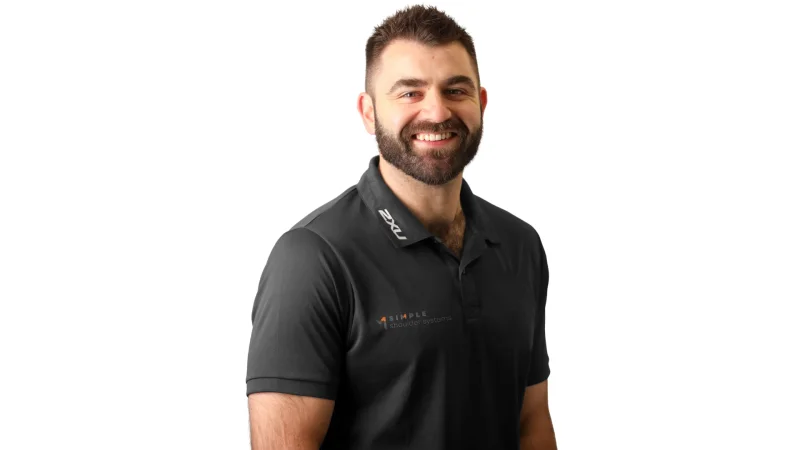
Sports & Exercise and Musculoskeletal Physiotherapist working with shoulder presentations in private practice and sport.
About Ben
I’m a physiotherapist, clinical educator and shoulder mentor. My work sits between evidence, practical decision-making and the reality that patients rarely arrive looking like the textbook.
 Adelaide, South Australia
The short version
My route into physiotherapy started with sport. I played high-level baseball and AFL before deciding to put more of my energy into study and clinical work.
What kept me in the profession was the mix: helping people, solving problems, teaching, travelling and getting to work across private practice and sport.
I have always enjoyed treating shoulder injuries. I also know what it feels like to question every test, wonder whether the assessment is telling you anything useful and feel like everyone else has a clearer answer.
That is why I teach. Not to hand clinicians a script, but to make the decision-making process more visible, practical and easier to defend.
The work today
Sports & Exercise and Musculoskeletal Physiotherapist working with shoulder presentations in private practice and sport.
Clinical educator at Adelaide University, teaching students how to connect knowledge with the person in front of them.
Supporting clinicians to improve their shoulder assessment, clinical reasoning and management decisions.
Founder of Simple Shoulder Systems, created to make objective shoulder testing and data-informed decisions easier to use.
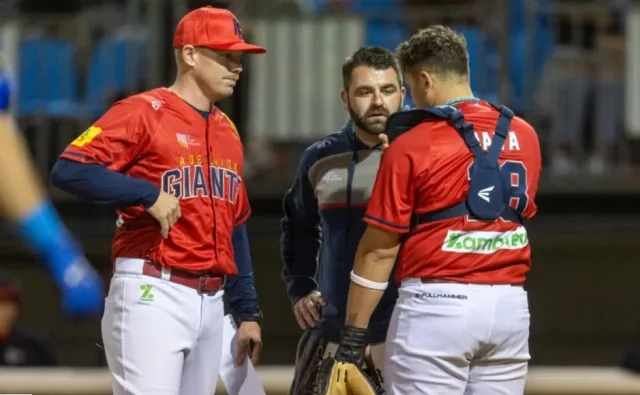
From sport to systems
Working with the Adelaide Giants keeps the shoulder conversation tied to actual demands.
Sport asks clear questions. Is the athlete ready? What capacity is missing? What will we measure? What changes the plan? Those questions have shaped the way I assess, teach and build clinical tools.
How I think
A diagnosis can guide care, but the patient’s story, capacity and goals still decide what matters next.
A number becomes useful when it establishes a baseline, tracks change or informs a meaningful decision.
I will tell you what I think, where the evidence is unclear and which biases may be shaping my decision.
Clinicians should be able to learn something useful from this website before they ever join a program.
Where to next?